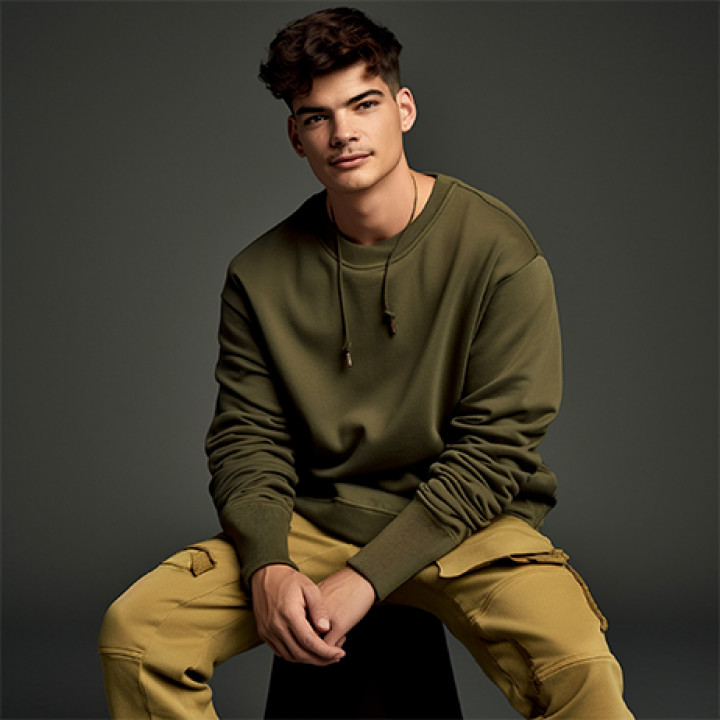

From Daylight To Afterhours
Transitional dressing is about adapting style seamlessly as the day evolves into evening. It reflects the need for clothing that works across different settings without requiring a complete change. Modern routines often blur the lines between professional hours and social time, making versatility essential. The idea is to create outfits that shift effortlessly while maintaining consistency in appearance. When done right, transitional dressing allows individuals to move through their day with confidence, knowing their style remains appropriate and impactful from morning to night.
Building a Versatile Foundation
The key to transitional dressing lies in creating a strong base. Outfits that begin with clean silhouettes and structured forms provide the flexibility needed for multiple occasions. A well-balanced foundation ensures that the look remains polished during the day while still having the potential to feel elevated later. Neutral tones and refined shapes make it easier to adapt without overwhelming the overall appearance. This base acts as a canvas that can carry subtle changes in styling as the day progresses.
Shifting from Subtle to Defined
Daytime dressing often leans toward simplicity and ease, while evening style allows for more definition and presence. Transitional dressing bridges this gap by gradually enhancing the outfit. This can be achieved by introducing stronger contrasts, sharper layering, or slightly more defined tailoring as the day moves forward. The transformation does not need to be dramatic; even small adjustments can shift the tone of an outfit. The goal is to maintain continuity while allowing the look to evolve naturally.
The Importance of Fabric and Texture
Fabric plays a significant role in how an outfit transitions. Materials that hold structure throughout the day while still offering comfort are essential. As the day progresses, textures can add depth and dimension, giving the outfit a more refined evening feel. Choosing fabrics that respond well to different lighting conditions also enhances versatility. This thoughtful selection ensures that the outfit feels appropriate in both natural daylight and softer evening environments.
Balancing Comfort and Refinement
One of the biggest challenges in transitional dressing is maintaining comfort without sacrificing style. Clothing should feel effortless enough for daytime movement while still appearing refined for evening settings. This balance is achieved by focusing on pieces that offer ease without looking overly casual. When comfort and refinement work together, the outfit supports both productivity and presence. This harmony is essential for a seamless transition between different parts of the day.
Maintaining Consistency in Style
While the outfit may evolve, the overall style should remain consistent. Transitional dressing is not about changing identity but about adapting it. Keeping a clear sense of personal style ensures that the outfit feels cohesive from start to finish. Whether the look becomes slightly more defined or more expressive, it should always reflect the same underlying aesthetic. This consistency creates a sense of confidence and makes the transition feel natural rather than forced.
Conclusion: Effortless Evolution in Style
Transitional dressing captures the essence of modern living, where flexibility and intention are equally important. It allows individuals to navigate different environments without compromising on style or comfort. By focusing on versatile foundations, subtle enhancements, and consistent identity, anyone can create looks that move effortlessly from daylight to afterhours. The true strength of this approach lies in its simplicity, where small changes create meaningful impact. When style evolves naturally throughout the day, it becomes both practical and powerful.